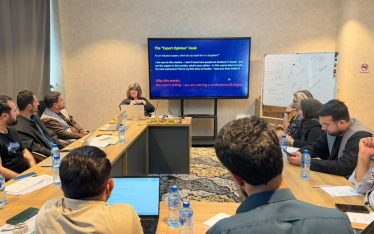
The “Supporting Food-Insecure Families through the Agricultural Value Chain in Sar-e-Pul Province” project has been successfully implementing in the Bala Kent area of Sar-e-Pul Province from June 2023 to August 2026.
The project aims to strengthen resilience to economic shocks by improving food security, nutrition, sustainable livelihoods, and women’s economic empowerment. It initially targeted 1,800 vulnerable households over a period of 38 months.
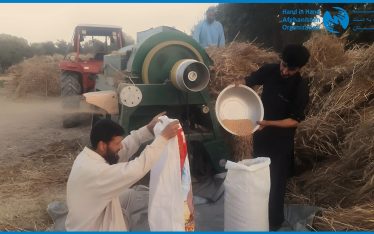
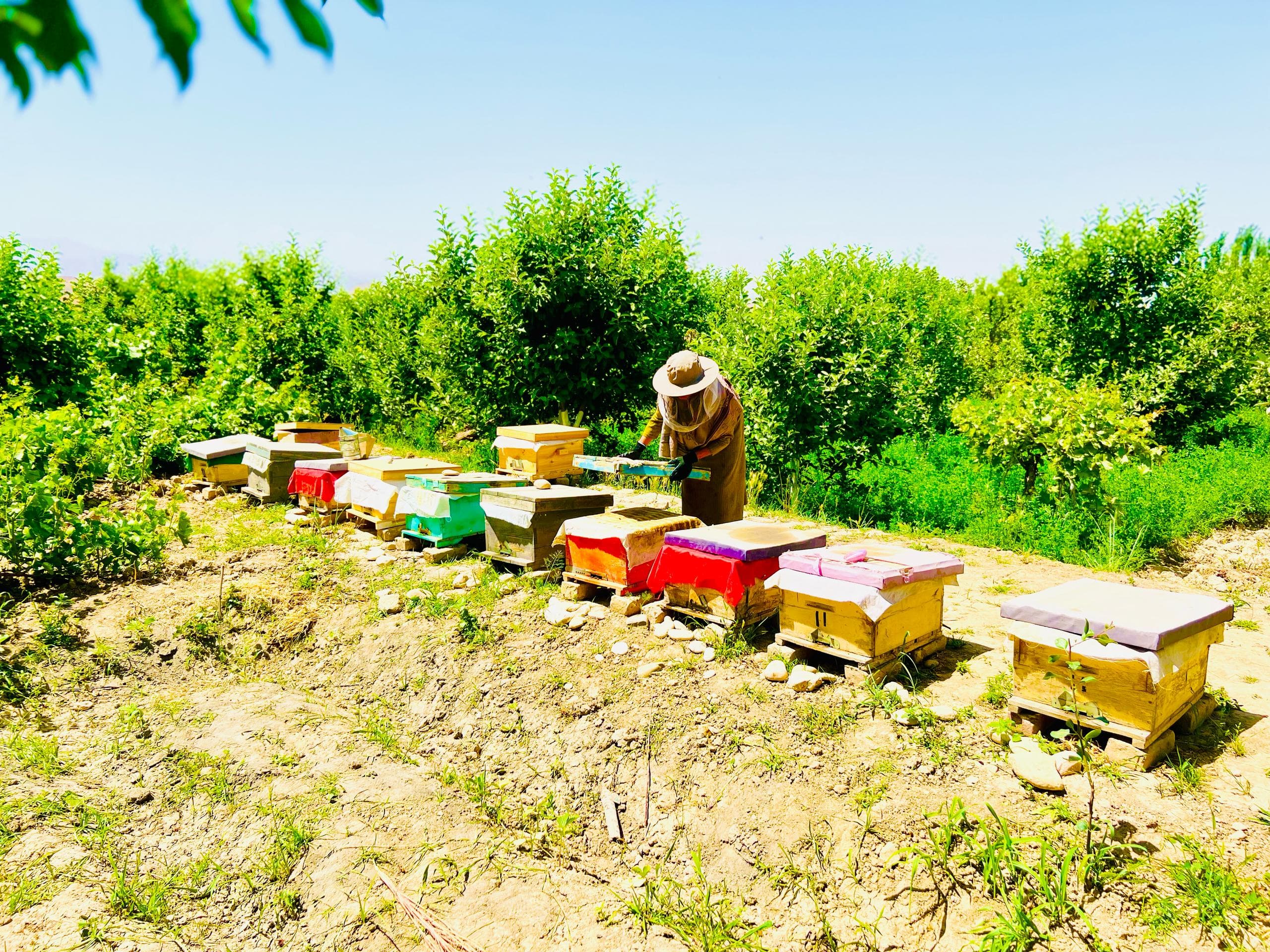
Enterprise development was a key achievement across 16 villages in the province. A total of 598 poultry farms, 564 goat-rearing activities, 129 beekeeping units, 57 greenhouses, 27 plastic tunnels, 49 garlic/sunflower farms, 16 noodle production units, and 26 incubation machines were established under cohort-based enterprise support.
Key interventions included the distribution of food packages to 1,800 households to improve food security during project implementation. In addition, improved vegetable seeds were provided to 897 households, fruit tree saplings to 303 households, and drip irrigation systems were established for 925 families. The project also provided technical training and start-up kits to support income-generating activities.
Through these integrated interventions, the project has improved household income, strengthened market access, increased food production, and enhanced women’s participation in local economic activities, contributing to long-term community resilience in Sar-e-Pul Province.
Hand in Hand Afghanistan is committed to reducing poverty and improving livelihoods through sustainable, community-driven approaches. Its mission is to empower vulnerable women and men by creating economic opportunities, strengthening micro and small enterprises, and enhancing access to markets, skills, and resources. HIHAO focuses on integrated value chain development, vocational training, and entrepreneurship support, with a strong emphasis on women’s economic empowerment and household resilience. The organization’s approach combines capacity building, financial inclusion, and enterprise development to promote long-term food security, income generation, and sustainable local economic growth across Afghanistan.